
Irene’s Crisis of Allegiance
Passing (Nella Larsen Edition)This flow follows Irene’s conflict between loyalty to Clare as an individual and solidarity with a racial community that Clare has partly rejected.
increasing Bearing strength in each event
 decreasing
Bearing strength in each eventdecreasingThe Woman Who Returned
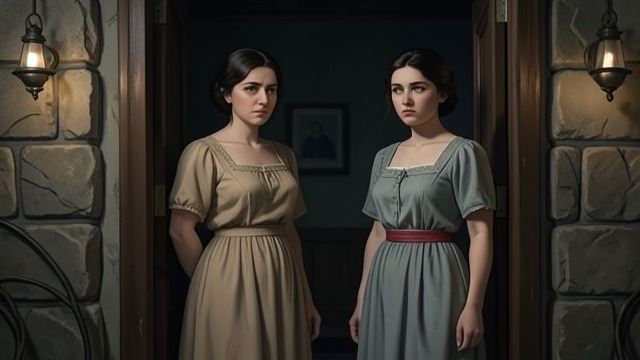
The Woman Who Returned
A personal bond revived
Irene recognizes a childhood friend whose adult life diverges sharply from her own. Their history prompts affection even as Irene judges Clare’s decision to pass.
Race enters the reunion
Clare asks to see old friends and learn what happened to them. Irene’s response already involves both private generosity and concern about social consequences.
Silence at The Morgan
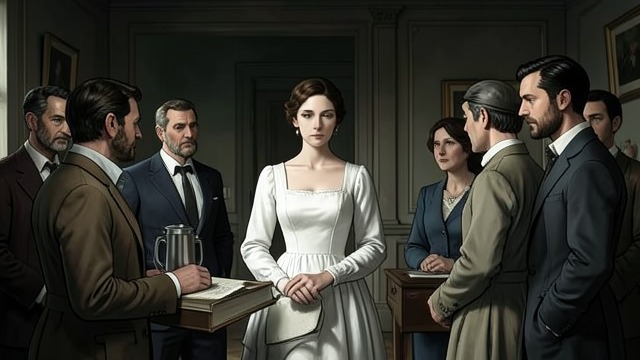
Silence at The Morgan
A defense withheld
Irene hears Bellew insult Black people but does not disclose her own identity. She calculates that a direct challenge could expose Clare.
Loyalty becomes complicity
Irene later condemns her silence, yet recognizes why she made that choice. Her obligation to Clare conflicts with her stated commitment to racial defense.
The Community at the Dance

The Community at the Dance
A return without full allegiance
Clare joins the Harlem crowd and enjoys the company she has missed. Irene questions whether Clare’s return reflects genuine care for the race.
Belonging remains contested
Irene sees herself as bound by racial ties even when Clare seems indifferent to them. Their different definitions of belonging complicate any simple account of loyalty.
The Encounter Irene Conceals
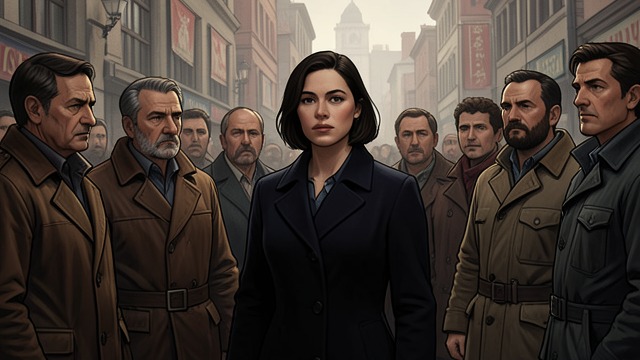
The Encounter Irene Conceals
A chance to warn
Irene understands that Bellew may have recognized her and Felise. She considers telling Clare but doubts that a warning could change what is already in motion.
The individual and the group
She cannot separate her own interests from Clare’s exposure or from racial solidarity. Her silence becomes a choice with consequences beyond her private intentions.
The Cost of Divided Allegiance
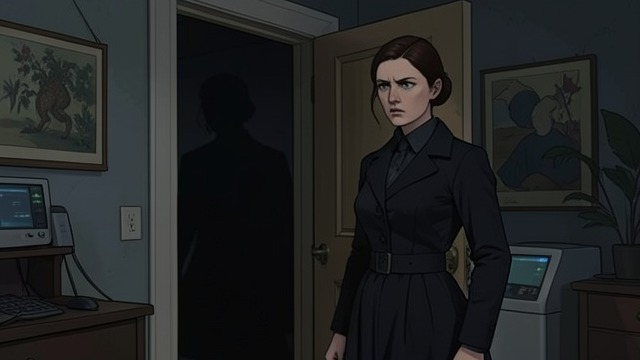
The Cost of Divided Allegiance
A witness without certainty
Irene denies that Bellew pushed Clare, but cannot complete her statement. Her loyalty has left her unable to offer a confident explanation.
No clean moral resolution
The novel does not absolve Irene or prove her responsible. Her divided allegiance remains embedded in the unresolved account of Clare’s death.
At the first reunion in Chicago
During Bellew’s racist remarks
During Clare’s first Harlem dance
After Irene sees Bellew downtown
After the Christmas party
